

Detecting Human vs. Machine Calls in 500ms With Predictive Modeling
A Python-based predictive model that detects human-answered calls from answering machines within 500 milliseconds.
At a Glance
Answering machines consumed valuable agent time during large-scale outbound campaigns. Maruti Techlabs developed a predictive model to classify calls within 500 milliseconds, reducing wasted time and operating costs.
Industry
Business Process Management
Function
AI, Machine Learning & Predictive Modeling
Solution
Python-Based Answering Machine Detection Model
Engagement
AI Readiness Audit Through Model Development & Deployment
The Client
Our client specializes in customized SaaS solutions, customer service, and marketing lead generation across banking, insurance, and automobile sectors, supported by a workforce of more than 500 agents.
The Challenges
Every Wrong Call Cost Agent Time
The client needed to identify human-answered calls almost instantly so non-human calls could be dropped before reaching agents, reducing wasted talk time and operating costs.
The Existing Model Was Too Slow and Inaccurate
The client's Asterisk-based model reached only 60% accuracy after three seconds. The target was over 90% accuracy within one second, requiring a fundamentally different approach to call detection.
Audio Signatures Overlapped in the First Half-Second
Human and answering-machine audio shared similar characteristics during the first 500 milliseconds. This overlap made reliable early classification difficult using audio patterns alone.
Initial Clustering Assumptions Didn't Hold Up
The original hypothesis expected human and answering-machine audio to form two distinct clusters. Live data showed both audio types mixed within clusters, ruling out a simple clustering approach.
Inconsistent Audio Quality Affected Model Reliability
Audio samples varied in quality, duration, and recording conditions across calls. Background noise and differences in call audio made it harder to extract consistent patterns for reliable human-versus-machine classification.
Automate early call detection with a predictive model that identifies non-human calls before they consume valuable agent time and increase operating costs.
Turn Wasted Talk Time Into Productive Calls.
The Solution
A Predictive Model Built for Sub-Second Detection
The solution combined data analysis, audio preprocessing, predictive modeling, and iterative validation to enable faster, more reliable call classification.
A four-week audit defined the solution scope and analyzed the client's audio data to determine whether the model could distinguish human and answering-machine calls within the first second.
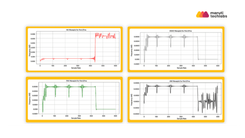
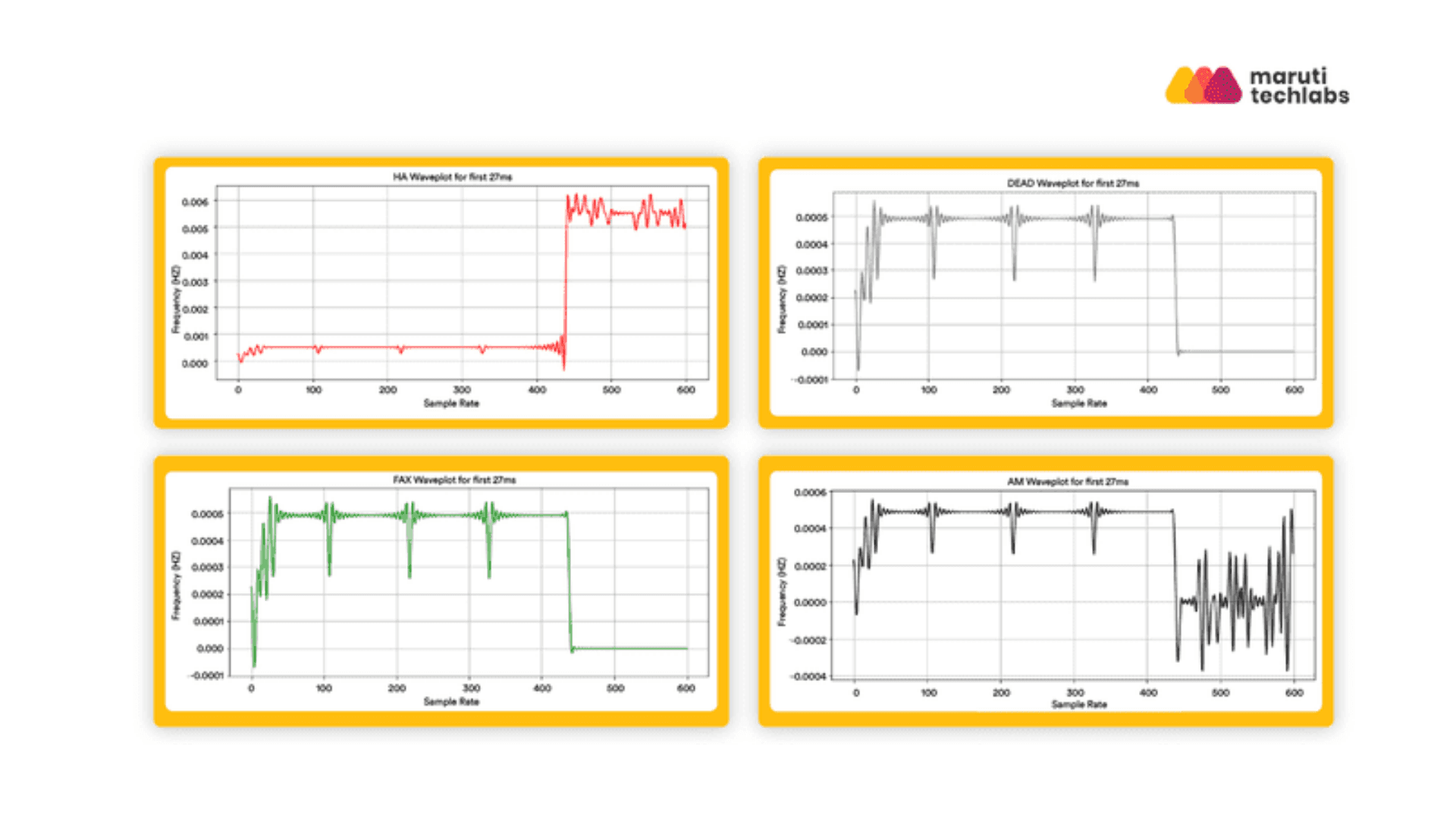
A four-week audit defined the solution scope and analyzed the client's audio data to determine whether the model could distinguish human and answering-machine calls within the first second.
The Journey
Feasibility to Production
Business Outcomes
Faster Detection, Lower Costs, More Agent Capacity
30 Minutes Saved Daily
Faster non-human call detection gave each agent approximately 30 minutes of productive time back every day.
$110K Saved Monthly
Reduced wasted agent time translated into approximately $110K in monthly operating cost savings.
More Customer Conversations
Freed-up agent capacity created more opportunities to connect with donors, voters, and other potential customers.
Improved Detection Precision
The purpose-built model delivered greater precision while streamlining operations without compromising service quality.
Partnership Entered Phase Two
Following the engagement, the client renewed the partnership for a second phase covering continued product roadmap and service delivery.
The predictive model reduced wasted agent time, lowered operating costs, and created more capacity for productive customer conversations.
Tech Stack


Build a predictive model trained on your call patterns and audio data to detect answering machines faster and give agents more productive talk time.
Make Every Agent Second Count.
Download Your Free Case Study Today.
Frequently Asked Questions
The existing model reached only 60% accuracy after three seconds. Reaching the target required a predictive model trained on the client's labeled call data rather than simply adjusting detection thresholds.
Every additional second spent listening to an answering machine reduces the time agents have for real conversations. Faster detection helps 500-plus agents spend more of their calling time reaching actual customers.
Live audio samples showed significant overlap between human and non-human calls within the same clusters. The audio characteristics were not distinct enough to support reliable two-group classification.
The audit defined the detection problem and analyzed existing audio data to determine whether identifiable patterns could distinguish human and answering-machine calls within the first second.
The team tested models across all four detection windows. The 500ms version provided the best balance between detection speed and accuracy for the client's dataset.