A practical guide to software release cycles, covering stages, models, and techniques for safer, smoother releases.
Devops
Why Security Struggles in Rapid Release Cycles
A practical guide to software release cycles, covering stages, models, and techniques for safer, smoother releases.
Table of contents
Table of contents
Key Takeaways
Introduction
Understanding the Software Release Cycle
The Difference Between Software Release and Deployment
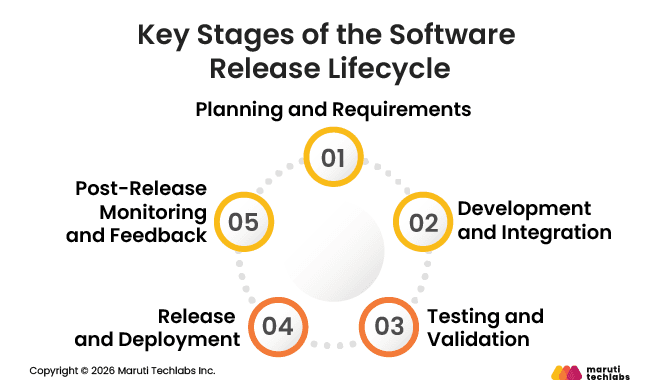
Key Stages of the Software Release Lifecycle
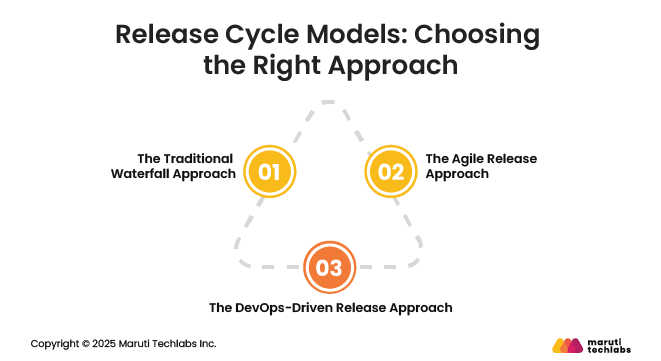
Release Cycle Models: Choosing the Right Approach
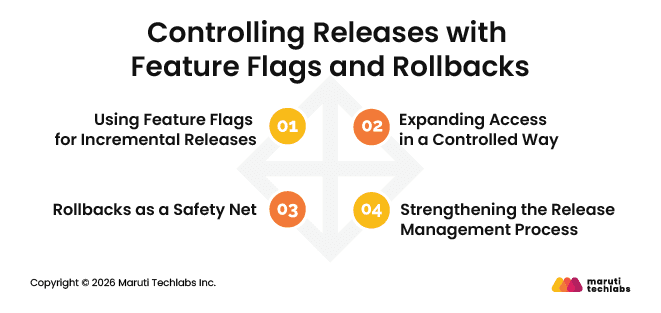
Controlling Releases with Feature Flags and Rollbacks
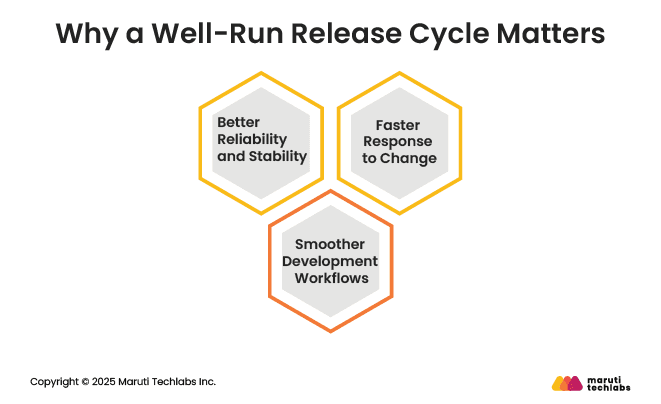
Why a Well-Run Release Cycle Matters
Practical Tips for Running a Strong Release Cycle
Conclusion
FAQs
Key Takeaways
Problems in early release stages often show up later as production failures
Skipping structure for speed creates rework, delays, and unstable releases
Alpha and beta stages exist to catch risks before they reach users
Consistent release processes make scaling teams and systems easier
Well-planned releases reduce firefighting after going live
Introduction
Software releases are no longer a one-time event at the end of development. Modern products are updated frequently, sometimes multiple times a week. New features, fixes, and improvements are released continuously to meet changing user needs and market demands.
These rapid release cycles directly affect product quality, stability, and delivery speed. When releases are handled well, teams can move faster without breaking things. When they are rushed or poorly planned, issues such as bugs, downtime, and security gaps quickly arise. This makes the release process just as important as writing the code itself.
To manage this complexity, teams rely on a clear software release cycle. Software typically moves through defined stages, starting with early testing and ending with production releases for real users. Each stage helps validate functionality, reduce risk, and improve reliability before changes reach everyone.
This blog explains what a software release cycle is and how it differs from deployment. It outlines the key stages, common release models, and practices like feature flags and rollbacks to help teams release software safely and confidently.
Understanding the Software Release Cycle
A software release cycle describes the journey software takes from development completion to real-world use. It goes beyond simply pushing code live. The goal is to ensure the software is stable, secure, and ready for users.
There is often debate about when the release cycle actually begins. Some teams see it as part of early development, while others treat it as a post-coding phase. In practice, it usually starts when features are complete enough to be tested, refined, and prepared for release.
From there, the release cycle moves through a series of clearly defined stages. Early stages focus on validating core functionality and catching obvious issues. Later stages shift attention to performance, stability, and security. This gradual progression gives teams the space to identify risks early and fix problems before they impact users.
Release cycles exist because software is never truly finished. Features evolve, bugs are fixed continuously, and security updates often need to be delivered without delay. A defined release cycle helps teams manage constant change in a controlled, predictable way.
Without a structured release cycle, teams are more likely to rush updates, leading to broken features, downtime, or security vulnerabilities. With a clear process in place, teams can plan releases more effectively, improve reliability over time, and ship updates with confidence. It also helps distinguish between building software, releasing it, and deploying it, three related but distinct activities in modern software development.
The Difference Between Software Release and Deployment
Release and deployment are often treated as the same thing, but they solve different problems. One is about users. The other is about systems. Mixing them up is what usually causes rushed releases and unnecessary risk.
What is a Software Release
A software release is when users are given access to new features. That could be a feature, a fix, or a full version update.
A release is a deliberate decision. Teams control what is released, when it is released, and who can access it, based on readiness, user impact, and risk. Because releases affect real users, they are carefully planned and tested. Most teams release on a defined schedule rather than with every code change.
At its core, a release answers one simple question: Are users ready to use this?
What is Software Deployment
Deployment is simply moving code into an environment, usually production. It does not automatically make changes visible to users.
Teams can deploy code many times a day. That code may remain inactive, hidden behind feature flags, or limited to internal use. Deployment is about keeping systems up to date and minimizing the size of changes. It is a technical task, not a user-facing decision.
Strong teams separate deployment from release. They deploy often to stay flexible, but release only when it makes sense. This makes it easier to move fast without breaking things or surprising users.
Key Stages of the Software Release Lifecycle
Every software release follows a basic flow. Teams may use different tools or names, but the core stages remain the same. Each step exists to reduce risk, improve quality, and make sure changes reach users in a controlled way. Skipping or rushing any stage usually leads to issues later.
1. Planning and Requirements
The release cycle starts with planning. Teams decide what needs to be included in the release and what can wait for later. Priorities and timelines are agreed upon, often based on user feedback and past releases.
Good planning keeps releases small and manageable. Without it, minor changes can quickly become messy and hard to control.
2. Development and Integration
In this stage, developers start building the planned features or fixes. Code is written, reviewed, and added to shared repositories. Changes are integrated regularly to make sure new code works well with existing systems.
This phase is not only about adding new functionality. It is also about maintaining stability. Small, frequent integrations make it easier to track changes and fix issues early.
3. Testing and Validation
Once development is complete, changes go through testing. This step checks whether the software works as expected and meets the defined requirements. Teams may run unit tests, integration tests, A/B tests, or controlled rollouts, such as canary testing.
Testing is critical because it helps catch bugs, performance issues, and security gaps before users are affected. It is often the last safety check before a release.
4. Release and Deployment
After testing, the software is ready to move to production. Deployment involves pushing code to production systems, while the release controls when users can access the changes. Teams may use feature flags or phased rollouts to manage risk.
This stage ensures changes are delivered in a predictable and controlled way.
5. Post-Release Monitoring and Feedback
Once the release is live, teams monitor how it behaves in the real world. They track errors, performance, and user feedback. If issues appear, quick fixes or rollbacks may be needed.
Post-release monitoring helps teams learn from each release and improve future ones. It turns real usage data into insights, making the next release more stable and reliable.
Release Cycle Models: Choosing the Right Approach
Not every team releases software the same way. The right release model depends on how stable the requirements are, how often changes happen, and how fast the team needs to move. Most teams follow one of these common approaches, or a mix of them.
1. The Traditional Waterfall Approach
The waterfall model follows a straight, step-by-step flow. Teams move from requirements to design, then development, testing, and finally release. Each stage is completed before the next one begins.
This approach works best when requirements are clear and unlikely to change. Planning and documentation are done upfront, which makes expectations clear early on. The downside is flexibility. If something needs to change later, it can be slow and costly to go back and adjust. Because of this, releases are less frequent.
2. The Agile Release Approach
Agile takes a very different path. Work is broken into small pieces and delivered in short cycles, often called sprints. Teams plan, build, test, and review continuously.
This model is well-suited for products that change often or are still evolving. Feedback from users and stakeholders is gathered regularly and used to guide the next release. Agile makes it easier to adjust priorities and release updates more frequently, but it also requires strong communication and discipline to stay on track.
3. The DevOps-Driven Release Approach
DevOps focuses on bringing development and operations teams closer together. The goal is to remove delays between writing code and releasing it.
Automation plays a big role here. Continuous integration, testing, and deployment help teams release smaller changes more often and with less risk. This model supports fast, reliable releases, especially for teams managing complex systems or frequent updates.
Choosing the right release model helps teams balance speed, stability, and control.
Controlling Releases with Feature Flags and Rollbacks
Modern teams no longer rely on large, one-time releases. Instead, they use controlled release techniques to reduce risk while shipping faster. Feature flags and rollbacks are two of the most effective tools for doing this.
1. Using Feature Flags for Incremental Releases
Feature flags let teams deploy code to production without making it visible to everyone right away. The code is live, but the feature can be turned on or off using a simple switch. This allows teams to release changes gradually instead of all at once.
Teams often start by enabling a feature for internal users or a small group. As confidence grows, access is expanded to more users. This makes it easier to test changes in real environments without affecting the entire user base. If something goes wrong, the feature can be turned off instantly, without redeploying code or causing downtime.
2. Expanding Access in a Controlled Way
Controlled releases help teams manage who sees new features and when. A feature may first be shared with alpha users, then beta users, and finally rolled out to all customers. Each step provides feedback that helps teams decide whether to continue, pause, or make changes.
This gradual exposure reduces risk and gives teams more confidence when releasing frequently.
3. Rollbacks as a Safety Net
Even with testing and careful rollouts, issues can still appear in production. Rollbacks allow teams to quickly reverse changes when something breaks. When rollback processes are automated and planned in advance, teams can respond fast and limit the impact on users.
4. Strengthening the Release Management Process
Feature flags and rollbacks work best when they are part of the release management process, not last-minute fixes. Together, they support faster releases while keeping quality, stability, and user experience intact.
Why a Well-Run Release Cycle Matters
A well-managed release cycle makes life easier for both users and teams. It provides structure to how software is shipped and reduces a lot of last-minute stress. Instead of rushing at the end, teams move forward steadily and predictably.
1. Better Reliability and Stability
When releases follow a clear process, problems are caught earlier. Testing and checks occur before changes reach users, reducing surprises in production. This leads to more stable software and fewer issues after a release. Users experience fewer bugs and disruptions, which builds confidence in the product.
2. Faster Response to Change
A strong release cycle makes it easier to adapt. Teams do not have to wait for large, risky updates to make improvements. Small changes can be released at the right time, based on user feedback or business needs. This flexibility helps teams keep up with changing requirements without slowing down.
3. Smoother Development Workflows
Clear release steps help everyone stay on the same page. Teams know what they are working on and what is ready to go. This avoids confusion and last-minute rush before a release, making day-to-day work feel more manageable.
Over time, this really helps. Users get updates when they expect them, and teams earn trust by releasing stable software. Fewer mistakes also mean less rework and better use of time and effort.
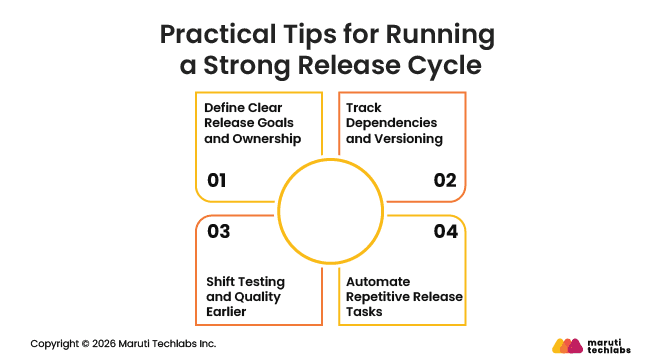
Practical Tips for Running a Strong Release Cycle
A successful release cycle is not about heavy processes or tools. It is about clarity, timing, and avoiding common mistakes. These practices consistently make releases easier to manage and less risky.
1. Define Clear Release Goals and Ownership
Every release needs a clear goal. Teams should know what is being released and why it matters. Clear ownership is just as important. One person or team should be responsible for coordinating the release and keeping it on track. This prevents confusion and last-minute decisions.
2. Track Dependencies and Versioning
Most releases depend on other features, services, or systems. Tracking these dependencies early helps teams avoid surprises close to release. Clear versioning also makes it easier to understand what changed and to respond quickly if issues appear.
3. Shift Testing and Quality Earlier
Testing should begin early in the release cycle, not at the end. Involving QA from the start helps catch issues when changes are small and easier to fix. Early testing improves overall quality and reduces risk during release.
4. Automate Repetitive Release Tasks
Manual release steps increase errors and slow teams down. Automating builds, tests, and deployments through CI/CD reduces effort and makes releases more predictable.
Automation helps teams release more often without added stress.
Regular reviews after each release help teams improve over time. Tracking user adoption and impact ensures releases deliver real value, not just changes.
Conclusion
Software releases are evolving. Teams are shipping smaller updates more often, relying on automation, early testing, and monitoring to stay in control. The focus is no longer just on releasing faster, but on releasing smarter.
Structure matters more than speed alone. Moving quickly without a clear release process often leads to bugs, rework, and unhappy users. A well-defined release cycle helps teams plan better, test earlier, and catch issues before they reach production.
Each stage of the release cycle builds on the previous one. When problems are ignored early, they show up later at a much higher cost. Strong release practices help teams maintain quality, reduce risk, and build trust with users over time.
The takeaway is straightforward: strong release processes balance speed and discipline. Teams that get this right ship more reliably and handle change without disrupting what’s already running.
Releasing software does not have to feel risky or unpredictable. Maruti Techlabs helps engineering teams bring structure to release planning, improve testing and rollback strategies, and build DevOps practices that support consistent, low-risk delivery.
Explore our DevOps services or reach out to discuss how to make your release process more reliable and controlled.
FAQs
1. What are the different types of release cycles?
Release cycles vary based on how software is delivered. Common types include waterfall releases with fixed phases, agile releases with short iterations, continuous delivery with frequent deployments, and continuous deployment where changes go live automatically. Teams choose based on risk, product maturity, and change frequency.
2. What is release cycle time?
Release cycle time is the total time it takes to move a change from planning to being available for users. It includes development, testing, approval, and release. Shorter cycle times help teams respond faster, but only work well when quality and testing are built in.
3. Does the duration of rapid-release cycles affect bug-handling activity?
Yes. Short release cycles usually improve bug handling because issues are smaller and easier to trace. Bugs are detected earlier and fixed faster. However, without proper testing and monitoring, rapid cycles can also lead to bugs reaching users more frequently.
4. What are the 5 steps of release management?
The five main steps are planning the release, developing changes, testing and validating quality, deploying and releasing to users, and monitoring after release. Each step ensures issues are caught early and helps teams deliver stable updates with less disruption.
Lalit Bhatt works across cloud infrastructure, DevOps, and project delivery, bringing 18+ years of experience across cloud migration, AWS architecture, infrastructure improvements, and team mentoring, depending on what clients need.
Stuck with a Tech Hurdle?
We fix, build, and optimize. The first consultation is on us!