

Modernizing Patent Search for Scalable IP Management
A US-based IP management company modernized its patent platform with Kubernetes, CI/CD, Solr optimization, and automated subscription management.
At a Glance
The company needed a more scalable patent platform with faster search, safer deployments, and automated subscription management.
Industry
Legal
Function
Platform Engineering & DevOps
Solution
Scalable Patent Search Platform
Engagement
Platform Modernization
The Client
The client is a US-based intellectual property management company that supports more than 500 patent submissions each year. Its work includes patent research, patentability assessments, and helping innovators and organizations secure IP rights.
The Challenges
Modernizing a Patent Platform Without Slowing Development
The existing platform had limitations across search, testing, deployment, infrastructure, and subscription management, making it harder to support growing requirements.
Limited Patent Search
Keyword-based search made it difficult to retrieve relevant patent information quickly as data volume and complexity increased.
No Isolated Testing Environment
New features lacked a dedicated testing environment, increasing production risk and slowing development cycles.
Inconsistent Deployment Process
Limited documentation and a fragmented setup made deployments less consistent and increased recovery time when issues occurred.
Fragmented Infrastructure
Applications were partly containerized and partly standalone, adding complexity to maintenance, deployment, and scaling.
Growing Infrastructure Demands
The platform needed to support increasing usage while keeping resource consumption and cloud costs under control.
Manual Subscription Management
Subscription payments and renewals required administrative involvement instead of giving users direct control over their subscriptions.
Build a Patent Platform Ready for Growing Research Demands
Modernize your IP platform with scalable infrastructure, faster search, automated deployments, and self-service subscription management.
The Solution
Creating a Scalable Foundation for Patent Research
Maruti Techlabs modernized the platform across infrastructure, deployment, search, and billing to create a more stable and scalable environment for patent-related workflows.
A separate Kubernetes environment let teams test new features safely without risking the live production platform.
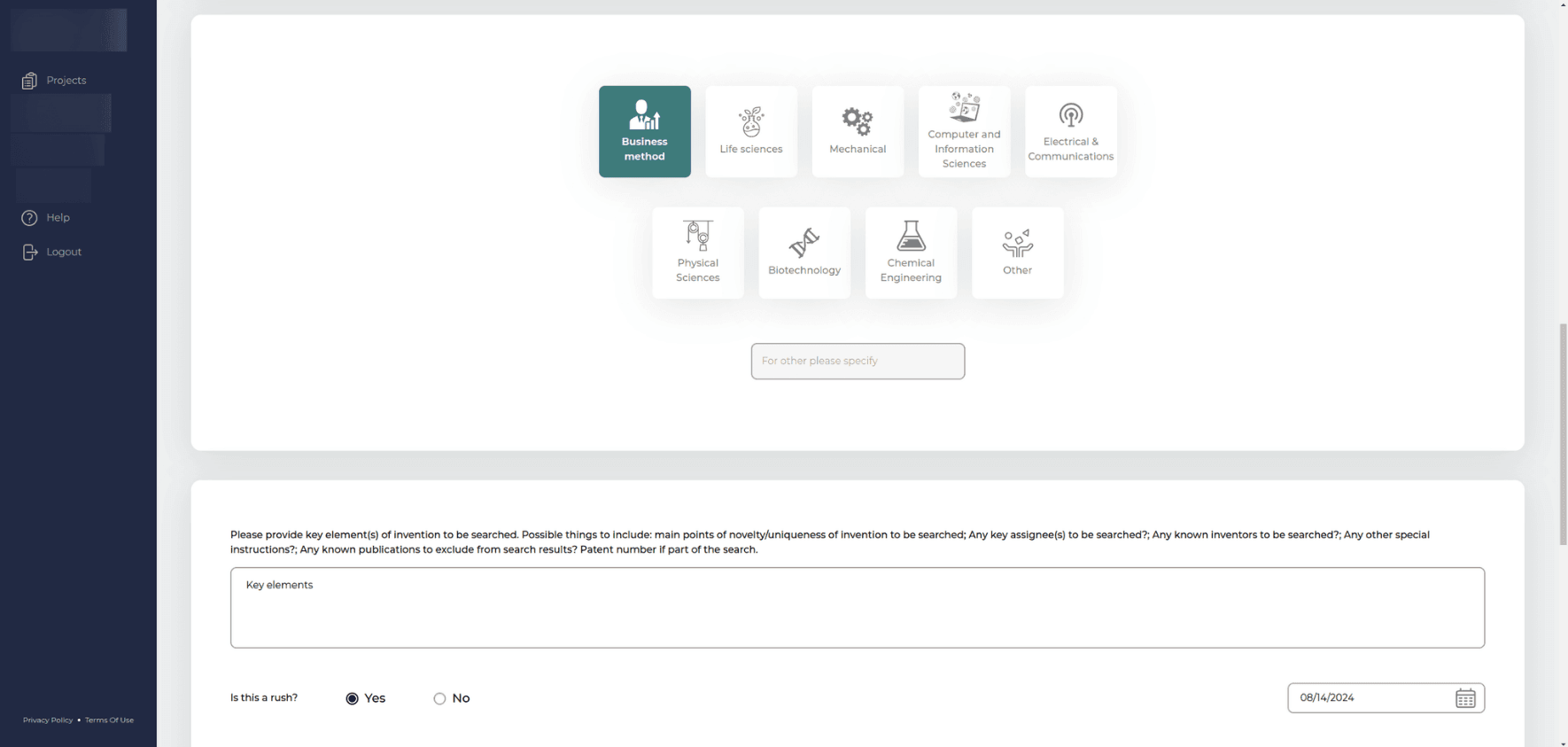
A separate Kubernetes environment let teams test new features safely without risking the live production platform.
The Journey
Search to Scalable Infrastructure
Business Outcomes
Smarter Cloud Spending, Faster Releases, Better Search
60% Lower Cloud Costs
A 3-year cloud commitment delivered 60% savings compared with higher on-demand cloud usage rates.
40% Lower Costs With 1-Year Commitment
A 1-year commitment achieved 40% savings compared with on-demand cloud costs.
Faster Development Cycles
The dedicated development environment and CI/CD pipelines allowed new features to move through testing and deployment more efficiently.
More Scalable Infrastructure
Kubernetes provided a consistent containerized environment that could scale as platform demand increased.
Improved Patent Search
Solr optimization enabled faster and more accurate processing of complex patent searches across large volumes of information.
Greater Platform Stability
Isolated testing reduced deployment risks and helped teams introduce changes without directly affecting active users.
Conclusion
The platform modernization improved development efficiency, infrastructure scalability, search performance, and subscription management while reducing cloud costs.
Tech Stack

Create a Scalable Foundation for Modern IP Management
Build a patent platform that combines scalable infrastructure, optimized search, automated deployments, and streamlined subscription workflows.




Download Your Free Case Study Today.
Frequently Asked Questions
Kubernetes provided a standardized environment for containerized applications and allowed the platform to scale resources as usage and workload requirements increased.
The team moved standalone applications into Kubernetes clusters, creating a consistent deployment model and reducing the operational complexity of the previous mixed infrastructure setup.
Solr was reconfigured to improve search speed and accuracy, allowing the platform to process more complex queries and retrieve relevant patent information more efficiently.
The separate Kubernetes environment let teams test new functionality independently before production deployment, reducing the risk of unvalidated changes reaching active users.
CI/CD pipelines automated application deployment steps, reducing manual intervention and creating a more consistent path for moving tested changes into production.