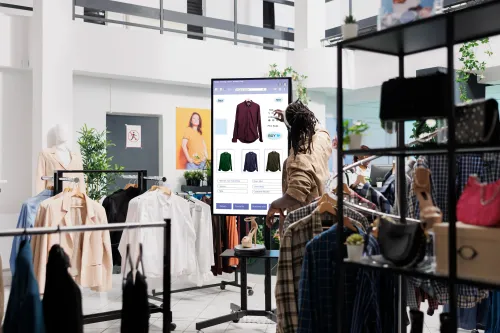
Personalized Shopping Made Easy: A Retailer’s Guide
Discover how AI personalization makes shopping easier and more relevant for customers.
Artificial Intelligence and Machine Learning
Personalized Shopping Made Easy: A Retailer’s Guide
Discover how AI personalization makes shopping easier and more relevant for customers.
Table of contents
Table of contents
Introduction
What is Search Personalization in Retail?
What is AI-Driven Product Discovery in Retail?
Real Benefits of AI Recommendations for Retailers and Shoppers
Challenges and Strategies for Making Personalized Shopping Work
Real-World Examples of AI in Retail
Conclusion
FAQs
Introduction
Shoppers usually come to a retail website with a clear goal; they want to find the right product quickly, not browse for hours. But too often, search results only loosely match what they’re looking for. That extra effort can frustrate shoppers or make them leave the site.
AI can change that. Instead of just matching keywords, it looks at what shoppers really want. It learns from what they click, what they spend time on, and what works for others. The result is a search that feels smarter, faster, and more relevant, keeping shoppers engaged.
For retailers, meaningful personalization goes beyond basic product recommendations. It requires a strong understanding of customer data, the ability to act on insights in real time, and consistent experiences across every customer touchpoint.
This blog explains what search personalization means in retail, how AI drives smarter product discovery, the benefits for both retailers and customers, key challenges to consider, and real-world use cases.
What is Search Personalization in Retail?
Search personalization helps shoppers find what they need faster. Instead of showing the same products to everyone, the store changes what appears based on what a shopper clicks, searches for, or looks at.
Personalization is not just about the search bar. It affects the whole shopping experience. It decides how products are shown, how related items are suggested, and how easy it is for shoppers to move from browsing to buying. When done well, it makes shopping smooth and straightforward.
For retailers, personalization is essential. When shoppers see products that are relevant to them, they are more likely to trust the store and return. It also saves the team time because the system adjusts automatically as shoppers browse.
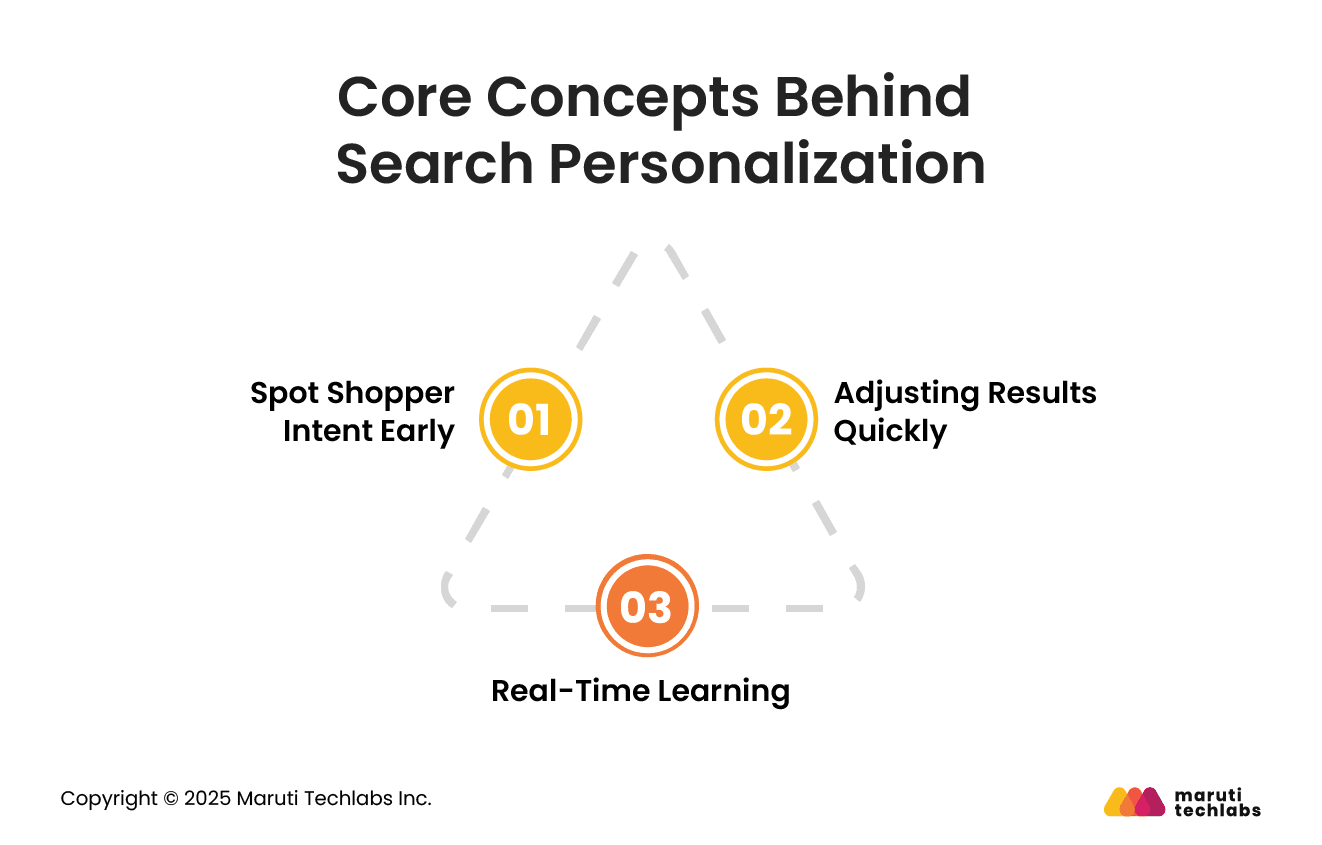
Spot shopper intent early: Even first-time visitors signal intent through clicks, time on page, and search terms that help guide them to relevant products.
Adjusting results quickly: Products can change based on the shopper’s device, location, or how they arrived at the site.
Real-time learning: Recommendations improve as shoppers look at more products, making the experience feel more personal.
What is AI-Driven Product Discovery in Retail?
AI-driven product discovery helps shoppers see the right products without having to search too much. Instead of only matching exact words or using filters, the system looks at what a shopper is doing on the site. This includes what they search for, which pages they visit, and which products they click or buy.
Based on these actions, the system tries to understand what the shopper actually wants. It then brings forward products that are more likely to be useful or relevant. Over time, it learns from each shopper’s behavior and improves what it shows. This makes it easier and more natural to find products, especially for first-time visitors to the site.
Below are the key parts that make AI-driven product discovery work well for retail websites.
1. Smooth Start for New Users
For someone visiting the site for the first time, seeing too many products at once can be confusing. Instead of showing everything, the site brings forward a smaller set of products that are more likely to be relevant. This makes it easier for visitors to get started and decide what to explore next.
2. Clear Product Organization
Products are arranged in a way that feels logical to shoppers. Related items are placed together based on how they are used or what they go with. This makes browsing simpler and helps people move between products without getting lost.
3. Timely Product Suggestions
As shoppers browse, they may see suggestions for other products. These are usually related items or alternative options that fit what they are already looking at. The suggestions appear naturally and help shoppers compare options without disrupting their flow.
4. Search That Understands Intent
Not everyone knows the exact words to type into a search. Some people use short or unclear terms. The search still shows beneficial results by understanding what the shopper means. Suggestions while typing and image-based search also help people reach the right products faster.
Real Benefits of AI Recommendations for Retailers and Shoppers
AI-powered product recommendations are more than just a tech feature. When used effectively, they help shoppers find what they want quickly and easily, while also helping retailers improve sales. AI-powered product recommendations help shoppers browse more easily and give valuable suggestions. This also allows stores to build trust and keep customers coming back.
Benefits for Retailers
AI recommendations offer more than just technical advantages. They help retailers drive revenue, improve operations, and connect with customers in meaningful ways. Here are some of the main ways retailers benefit:
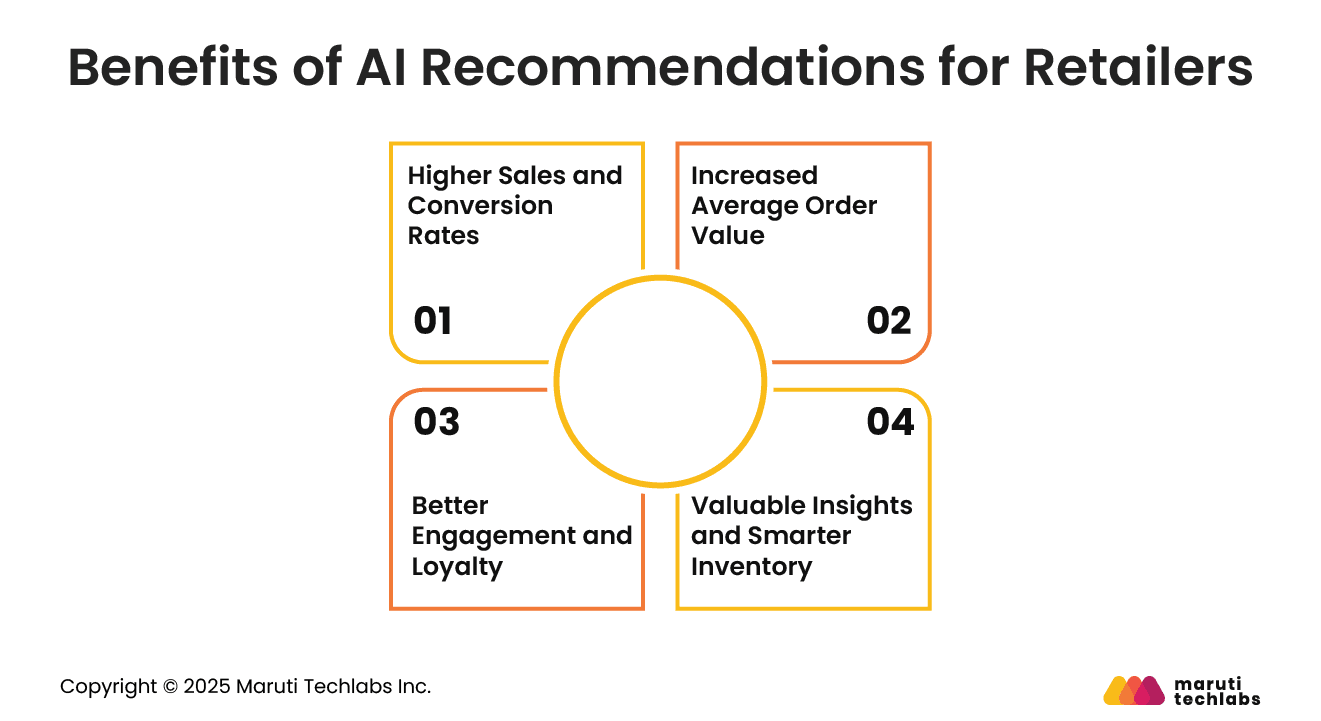
1. Higher Sales and Conversion Rates
When shoppers see products that match their preferences, they are more likely to buy. AI recommendations reduce the effort needed to find the right item and guide customers directly to products they are interested in. This makes the purchase process faster and increases conversion rates.
2. Increased Average Order Value
AI can suggest complementary products or slightly better options. For instance, if a customer selects a dress, the system might recommend matching shoes or accessories. These suggestions encourage shoppers to add more items to their cart, raising the average order value and boosting overall sales.
3. Better Engagement and Loyalty
When shoppers see recommendations that really match what they like, they naturally spend more time browsing. It feels easier and more enjoyable, and they are more likely to come back. A personal shopping experience makes customers feel understood and keeps them loyal over time.
4. Valuable Insights and Smarter Inventory
AI tracks customer behavior and preferences, giving retailers insights into trends and demand. These insights help with stock planning, reduce the risk of overstocking or running out of popular items, and improve marketing and merchandising decisions.
Benefits for Shoppers
Just as retailers gain from AI, shoppers enjoy a more enjoyable and efficient experience. Here is how AI helps customers get the most from their time on a site:
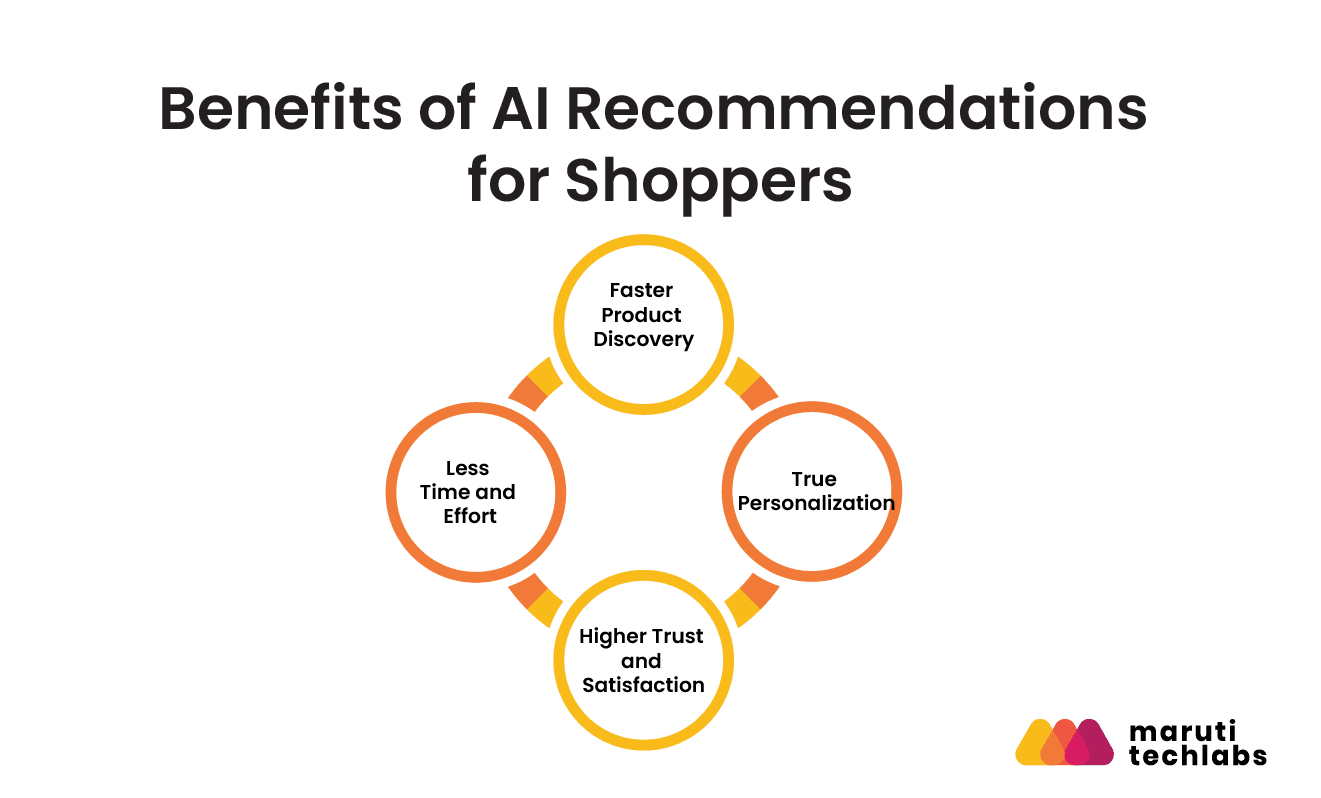
1. Faster Product Discovery
AI helps shoppers find items they might not have discovered on their own. By learning about interests and preferences, browsing becomes a simple and enjoyable experience.
2. True Personalization
The shopping experience adapts to each shopper. Suggestions reflect interests and behavior, reducing choice overload and guiding customers to what matters most.
3. Higher Trust and Satisfaction
When suggestions are consistently relevant, shoppers feel understood and supported. This builds confidence and trust in the retailer, making customers more likely to return.
4. Less Time and Effort
Instead of scrolling through hundreds of products, shoppers see a curated selection of items that are likely to meet their needs. This saves time, reduces frustration, and makes the shopping experience faster and simpler.
AI-powered recommendations are a win for everyone. Retailers see higher sales, stronger engagement, and valuable insights, while shoppers enjoy a smoother, more personal experience that saves time and builds trust.
Challenges and Strategies for Making Personalized Shopping Work
Using AI to personalize shopping can bring great results, but it is not without its challenges. Retailers need to be aware of these hurdles and plan ahead to make their AI initiatives work effectively.
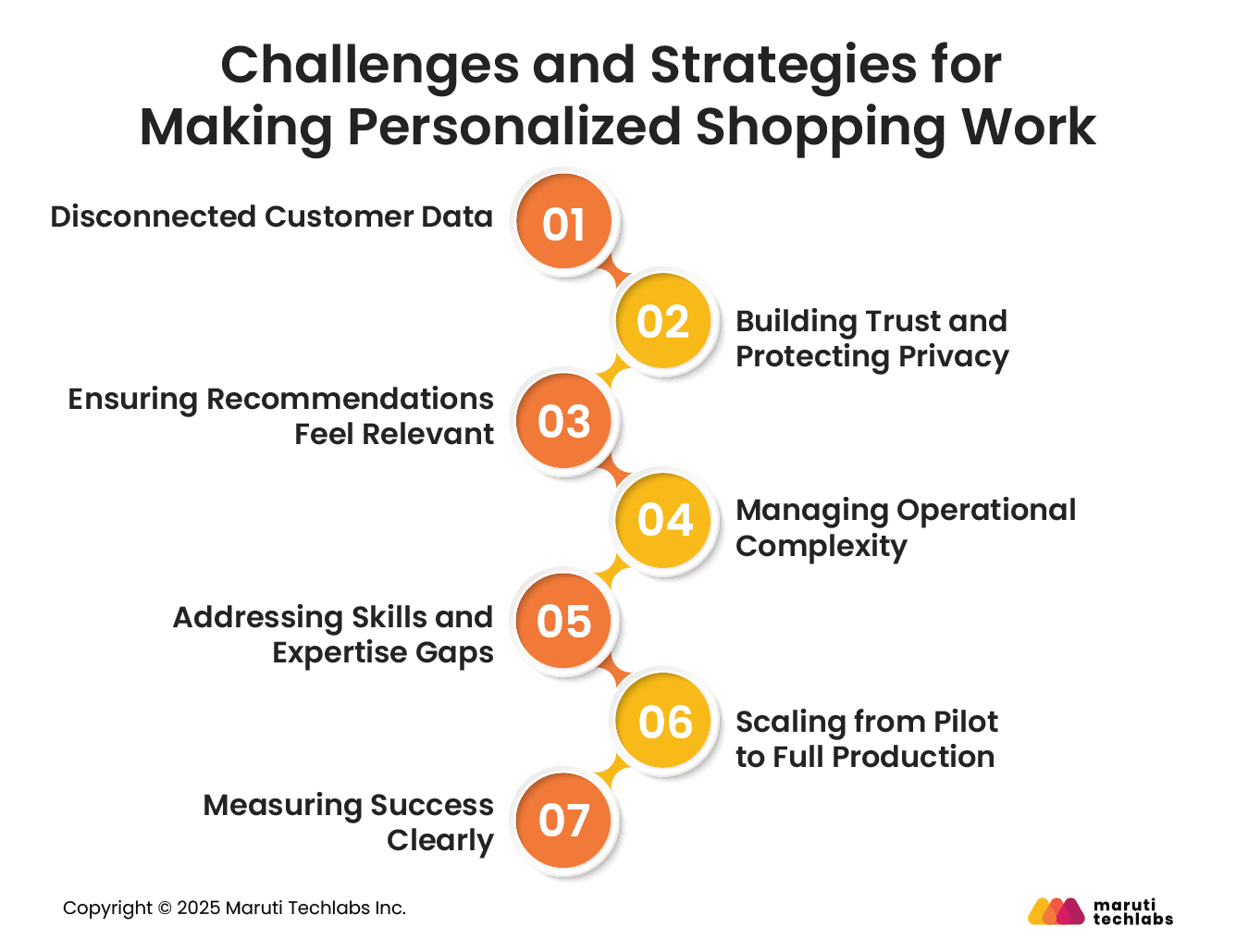
1. Disconnected Customer Data
Many retailers have customer information spread across different systems and channels. This makes it hard to get a full picture of each shopper. Without complete data, AI may make less accurate recommendations. Investing in platforms that bring all customer data together and keep it up to date can solve this problem.
2. Building Trust and Protecting Privacy
Shoppers care about how their data is used. If they feel unsure, they may opt out, stop engaging, or even switch to another brand. Being transparent about data use and giving customers control over their information helps build trust and keeps them coming back.
3. Ensuring Recommendations Feel Relevant
Even the best AI can fall short if recommendations do not match what customers want. Irrelevant suggestions can frustrate shoppers and reduce loyalty. Retailers can improve results by using high-quality data, paying attention to feedback, and updating their AI models based on real shopper behavior.
4. Managing Operational Complexity
Adding AI into existing systems can be complicated, especially if the technology is older. Complex setups can slow down projects and confuse teams. Breaking systems into smaller, manageable parts and encouraging collaboration across departments can make implementation smoother.
5. Addressing Skills and Expertise Gaps
AI and machine learning require specific skills that many teams don’t have. This can slow progress. Upskilling current employees and working with specialized vendors are practical ways to bridge this gap.
6. Scaling from Pilot to Full Production
It is often simple to try out personalized recommendations on a small scale, but rolling them out across the whole site can be tricky. If you don’t plan for growth, projects can lose momentum. Thinking about how the system will handle more users and setting clear goals from the beginning makes it easier to expand successful pilots.
7. Measuring Success Clearly
Without clear performance indicators, it is hard to determine whether personalized recommendations deliver real value. Monitoring metrics such as sales growth, average order value, and repeat visits, combined with controlled testing, provides a reliable way to assess how effectively personalization is driving results.
By keeping these challenges in mind and planning ahead, retailers can make personalized shopping run smoothly and deliver a more helpful and enjoyable experience for customers.
Real-World Examples of AI in Retail
AI personalization is already making a big difference in how retailers connect with their customers. Here are two standout examples:
1. Sephora: Personalized Beauty Recommendations
Sephora uses AI to help customers choose the right beauty products. Shoppers can try on makeup online and see how it looks on them. The system analyzes skin tone and facial features to recommend suitable products. This has led to more people engaging with the site and more purchases.
Sephora also uses AI to suggest skincare products by analyzing selfies and spotting common skin concerns. This has helped increase order sizes and encouraged customers to come back and shop again.
2. Whatnot: Smarter Discovery for Collectors
Whatnot, a livestream shopping platform for collectors, uses AI to make it easier to find products. The system scans through browsing history, bidding patterns, and behavior to suggest items in real time. Recommendations update as users explore, creating a more relevant and engaging shopping experience.
These real-world examples show how AI can make product discovery faster, more relevant, and enjoyable, helping retailers boost engagement and shoppers find precisely what they want.
Key Takeaways
Shoppers expect search results to reflect their needs, not just keywords.
Personalized discovery reduces friction and shortens the path to purchase.
AI helps surface relevant products without overwhelming users.
Easier product discovery leads to higher engagement and better conversions.
Consistent personalization builds trust and encourages repeat visits.
Conclusion
Product discovery and personalization work best when they go hand in hand. Discovery helps shoppers look around. Personalization helps them narrow things down. When both are in place, shopping takes less effort and feels more manageable instead of overwhelming. Today, many shoppers expect this kind of experience.
Shopping habits keep changing. Because of this, fixed product lists and basic rules often fall short. Retailers need systems that can adjust as shoppers browse and search. When experiences feel relevant and timely, customers are more likely to trust the brand and return.
We have seen this approach work in real projects with retail and manufacturing teams. Moving away from manual planning and older methods has helped businesses improve accuracy, reduce inventory problems, and make day-to-day decisions with more confidence.
Retailers that invest in better discovery and personalization will be better prepared for what comes next. To see how GenAI can support your retail use cases, visit Maruti Techlabs’ GenAI services page or contact our team to discuss your needs.
FAQs
1. What is search personalization?
Search personalization means showing results that match each shopper’s preferences and behavior. Instead of giving the same results to everyone, the system adapts to individual interests, past activity, and context. This makes it easier for shoppers to find what they want quickly and reduces frustration.
2. How to turn off search personalization?
To turn off search personalization, look for settings in your account or browser to manage preferences. You may be able to disable personalized recommendations, clear browsing history, or opt out of tracking. This will show standard search results instead of ones tailored to your past activity or interests.
3. How to turn on search personalization?
Turning on search personalization usually involves enabling it in your account or browser settings. Allow the system to use your browsing history, clicks, or preferences to tailor results. Once enabled, the search will show products and suggestions that better match your interests and past behavior.
4. How do we prepare for AI search personalization?
Start by gathering and organizing customer data from all channels. Ensure data is clean and consistent. Define clear goals for personalization and decide which behaviors or preferences to track. Test small pilots first, measure results, and scale gradually. Training your team to use and interpret AI insights is also essential.
Pinakin Ariwala has over 20 years of experience in AI/ML, data engineering, and software development. He has led AI and machine learning projects across industries, including agriculture, finance, and healthcare, and has been featured on the Clutch Leaders Matrix podcast discussing real-world AI/ML applications.
Stuck with a Tech Hurdle?
We fix, build, and optimize. The first consultation is on us!